Showing posts with label Rolling Stone 500. Show all posts

Sunday, January 3, 2021

2020 In Memorium - #3: Toots Hibbert (Born 1942)


Frederick "Toots" Hibbert (1942 - 2020)

Back when I was working in the Washington, DC area in the mid/late 2000s, I used to spend a lot of time after work at a bar/coffeehouse called Tryst, in that city's Adams-Morgan neighborhood.  The big, comfortable, rustic old space it occupied was furnished with huge old mismatched tables, sofas and lounges all seemingly scrounged from a garage sale, and local art covered the unevenly painted walls.  Yeah, it was (ant still is) sort of a local
hipster's hangout, a place for people who thought they were cool/bohemian/arty to see and be seen in.  But it has a nice ambience, the staff was great, most of the customers were easy-going, and there was nice coffee and a decent bar/food menu available (one of my favorite drinks there was what they called a Dufrene, which was a pint of Guinness with a shot of espresso poured into it).  Plus, they had free wifi, so if you could find a seat at a table, you could basically sit there all evening, eating, drinking and browsing the Web.

Tryst would host various cultural events from time to time, including art openings, left-leaning political get-togethers and DJ nights - events that I usually tried to avoid, not that I was "anti-" any of that, but since the space required to set up these events would mean less available seating for potential customers, and I generally got there later than most. I hated having to stand around by the wall, strategically positioning myself to commandeer a seating as soon as a current occupant made the slightest indication that he or she was about to vacate.

Anyway, one night in the spring of 2006, they were having another DJ night at Tryst, but this time I had arrived there early enough to place myself at one of the coveted seats/tables. I was sitting there chilling out, with a Greek salad and a Dufrene in front of me, watching Fritz Lang's classic thriller M on my laptop and not really paying much attention to the record spinner, who seemed to be playing a lot of deep house and dub sides... when all of a sudden, one of the cuts he put on caught my attention - THIS one:


Although by that point in life, I was a pretty big ska and reggae fan, somehow I had no awareness of this tune the DJ played that night. I might have heard it before and it hadn't connected, perhaps... but no matter - it DEFINITELY connected that night. Before the song was half over, I rushed to the area in Tryst when the turntables were set up to learn the name of this great song and band.  It was "Funky Kingston", off of the album by the same name, by Toots & The Maytals.

Frederick Hibbert was born in 1942 in Jamaica, the youngest of seven children. His parents were both fundamentalist Seventh Day Adventists preachers, so Hibbert's earliest singing experiences were with church gospel choirs. However, before he turned twelve, both of his parents had died, leaving him an orphan raised by his older brother John, who lived in Kingston in the soon-to-be-famous Trenchtown neighborhood, birthplace and crucible of modern Jamaican music.

There in Trenchtown, with his childhood friends Raleigh Gordon and Jerry Matthias, Toots formed the first version of the Toots & The Maytals trio in 1961, when he was nineteen. The band's early ska/rocksteady songs, such as "Six And Seven Books Of Moses" and "Hallelujah", were rooted in Hibbert's religious upbringing. But the band quickly moved on from those themes and expanded their repertoire. By the mid-60s, Toots & The Maytals were one of the biggest bands in Jamaica, with producers clamoring to work with them and the group producing hit after hit, including "Bam Bam", "54-46 That's My Number" (inspired by Hibbert's 18-month stretch in prison for marijuana possession) and "Do The Reggay", the first song to refer to (and subsequently coin the term) "reggae", the then-new music genre that continues to this day.


Toots & The Maytals had released several albums in Jamaica during the 1960s, but by the early '70s they - and reggae music in general - were still relatively unknown in the rest of the world. That international perception began to change in 1972 with the release of the film The Harder They Come, an underground hit in the UK which featured two Maytals songs in the soundtrack. Attempting to strike while the iron was still hot, producer Chris Blackwell hustled the band into Dynamic Sounds Studio in Jamaica, and by the early spring of 1972 had released Funky Kingston, the group's first international album, in Britain and other Commonwealth countries. In 1975, a revised version of Funky Kingston was released in the States, retaining only three songs from the 1972 release and adding six from the Maytals' immediate follow-up album In The Dark, along with the single version of "Pressure Drop" from The Harder They Come soundtrack.

Here's the lineup on the original release:

  1. "Sit Right Down" — 4:44
  2. "Pomps And Pride" — 4:30
  3. "Louie Louie" — 5:46
  4. "I Can't Believe"
  5. "Redemption Song" — 3:26
  6. "Daddy's Home" — 5:05
  7. "Funky Kingston" — 4:54
  8. "It Was Written Down" — 3:04
And here is the track listing on the U.S. release:
  1. "Time Tough" — 4:23
  2. "In the Dark" — 2:48
  3. "Funky Kingston" — 4:54
  4. "Love is Gonna Let Me Down" — 3:15
  5. "Louie Louie"
  6. "Pomps and Pride" — 4:30
  7. "Got to Be There" — 3:06
  8. "Country Road" — 3:23
  9. "Pressure Drop" — 3:46
  10. "Sailin' On" — 3:35
Both versions were celebrated, and the album is credited with breaking reggae internationally. The US version is ranked at #380 in Rolling Stone's 2012 list of the 500 Greatest Albums of All Time, and rightfully so.

The original Toots & The Maytals continued on as a unit until the early 1980s before breaking up, with Hibbert having a long subsequent career as a solo artist, collaborator with the likes of Willie Nelson, Gov't Mule, The Red Hot Chili Peppers (among many others), and reviving the Maytals from time to time with new members.  Toots performed right up to the end, with his final appearances in the spring and summer of 2020, just before he took ill.
 
Frederick "Toots" Hibbert died of complications from contracting the COVID-19 virus in a hospital in Mona, Jamaica on September 11th, at the age of seventy-seven.
 
In honor of his life, I present to you both versions of the seminal album Funky Kingston:
  • The original version, released on Dragon Records (a subsidiary of Chris Blackwell's Island Records) in April 1972; and
  • The U.S. version, released on Mango Records in mid-1975

Enjoy and pay tribute to one of the founding fathers of reggae! And as always, let me know what you think.

Please use the email link below to contact me, and I will reply with the download link(s) ASAP:

  • Funky Kingston (Original 1972 Jamaica/UK Release): Send Email  
  • Funky Kingston (Revised 1975 US Release): Send Email

Tuesday, April 7, 2020

John Prine - John Prine (RS500 - #458)


Another legend gone before their time.

We lost a song-writing, folk-singing giant today, folks... Although it's been touch-and-go with him for a while now, I was hoping this nasty virus would somehow spare him... but I was wrong. If you've never taken the opportunity to listen to John Prine, there's no better place to start than with his superb first self-titled album, recorded mostly at the legendary American Sound Studio in Memphis and released by Atlantic Records on June 1st, 1971.

Not much else to say here, so I'll keep this short. R.I.P., Mr. Prine, and thanks for the music.

I hope you DO get to see your daddy and mama, and smoke that 9-mile-long cigarette when you get to heaven:


Please use the email link below to contact me, and I will reply with the download link(s) ASAP:

Send Email

Wednesday, June 6, 2018

Simon & Garfunkel - Bookends (RS500 - #234)


June 6th, 2018... fifty years today since the death of Bobby Kennedy.

A lot of ink has been and will be spilled today regarding Kennedy's 1968 campaign for the Democratic presidential nomination, most of it related to the continuing "Kennedy Myth" that has haunted and teased this nation for over fifty years. RFK's run has now assumed almost legendary status - the star-crossed young warrior, going to battle against the entrenched hierarchy and the special interests; a man born to great privilege and yet a "man of the people" and champion of the poor and downtrodden; a shining light of passion and dedication, cut down just as he could all but visualize his goal. While a lot of that has some basis in fact, Bobby's decision to run that year and his prospects for winning his party's nomination, and ultimately the presidency, were a lot more complicated than that.

It shouldn't be forgotten that Robert Kennedy entered the 1968 presidential race late, on March 16th, four days after President Lyndon Johnson narrowly won the New Hampshire primary over upstart Minnesota Senator Eugene McCarthy (49% to 42%). The relationship between
Kennedy and Johnson wasn't just one of mutual contempt - they actively despised one another, and had since the early Fifties, when Johnson was a powerful senator and Bobby was little more than a low-level Senate staffer. When JFK assumed the presidency in 1961, with Johnson as his vice-president and his brother as Attorney General, that power dynamic had shifted to Bobby's advantage (the office of the VP having little if any real power), and the younger brother used it to humiliate and emasculate Johnson constantly - revenge for Johnson's treatment of him in the '50s. By late in JFK's first term, it was clear that Bobby, not Johnson, was the #2 man in the administration, and his power and influence would only grow after JFK's near-certain reelection in 1964 (which would have set up a remarkable "what-if" scenario in '68 - if Johnson had been retained as a VP running mate in '64, undoubtedly both he AND Bobby would have run to succeed JFK that year... which would have in all likelihood set off a intra-party war between the two candidates' factions even nastier and more bitter than what actually happened that year...).

The bullets fired at the presidential motorcade in Dallas on November 22nd, 1963 suddenly and immediately altered that power dynamic yet again, this time with the new president Johnson on top, and he didn't hesitate to use it to exact some vicious payback against a physically altered and emotionally distraught Bobby, reeling in the aftermath of his brother's death. Even with all of that, Kennedy stayed on as Attorney General in the Johnson administration for several more months, ostensibly to cement JFK's legacy in the legal realm. But his heart clearly wasn't into his job, or with continuing to work with LBJ. Sensing that he could do more good - and establish his own political base for the future - outside of the cabinet, Bobby resigned his office in mid-1964 to run for the Senate in New York, defeating the incumbent Republican Kenneth Keating that November. During his four years in the Senate, Kennedy enhanced his liberal bona fides, championing civil rights and marginalized members of the population (who he referred to as the "disaffected", the impoverished, and "the excluded"), and increasingly calling into question America's involvement in the Vietnam War. By early 1968, Bobby's popularity with certain groups (especially minorities) rivaled and even exceeded that of Johnson.

Kennedy was itching to make a presidential run against the hated Johnson in 1968, who he considered to be over his head as Chief Executive and unable to adequately deal with the serious issues (war, racial divisions, poverty, etc.) he faced during his first full term. However, despite urging from his advisors and from various corners of society, Bobby considered his prospects for a successful run against a sitting president exceedingly unrealistic - the last president denied his party's nomination for a second term was Chester A. Arthur in 1884. So he announced at a January 30th, 1968 press conference (coincidentally, the same day as the beginning of the Tet Offensive) that “under no foreseeable circumstances” would he run for president. And it seemed to most of the world that that was the final word regarding a possible "Kennedy '68" bid.

However, shortly after this declaration, Kennedy, his pollsters and advisors began to sense that something was going on in the American electorate - a hidden but surging groundswell of discontent with the current direction of the country.  Bobby and his team could see that in the preliminary February polling for the upcoming "first in the nation" New Hampshire primary,
where the underfunded anti-war candidate Senator McCarthy was quietly gaining strength and support over the incumbent. It was clear to Kennedy that a significant number of people were looking for an alternative to Johnson. Bobby read the tea leaves and trusted his well-honed political instincts... while the modern narrative is that Kennedy jumped into the race only after smelling blood after Johnson's close call in New Hampshire on March 12th, the truth of the matter was that he'd changed his mind regarding his decision to run significantly earlier, prior to the primary vote. He'd planned to make his announcement in early March, but was persuaded by other influential friends to either talk McCarthy into dropping out prior to the primary (which McCarthy had no intention of doing) or waiting until just afterwards, in order to avoid splitting the Democratic anti-war vote.

Either way, Bobby's declaration on March 16th, in the Caucus Room of the old Senate Office Building, was not met with overwhelming nationwide hosannas. He was denounced in some quarters as a political opportunist, taking advantage of the trail that McCarthy's months of hard work had blazed. Despite this, he was immediately regarded as the frontrunner and the president's most formidable electoral foe. Faced with two strong opponents now, Johnson famously bowed out of the race on March 31st, throwing his support and that of much of the Democratic establishment behind the candidacy of his Vice-
President, Hubert Humphrey. In this essentially three-way race between the major challengers Humphrey, McCarthy and Kennedy, only the latter two competed head-to-head in the state primaries. Of the four primaries with active competition between McCarthy and Kennedy, Kennedy won three, losing only in Oregon in an upset a week before the crucial California primary.

While the two liberal candidates were slugging it out in the states, Humphrey concentrated on acquiring nomination delegates from states that didn't hold primaries, places where party bosses still held sway and controlled delegate selection. Unlike nowadays, back then, most states DIDN'T hold primaries, and delegate slates were largely determined by big-city political machines. So, despite his relative success in the primaries, on the night of the California primary, Kennedy still had a grand total of only 393 pledged delegates to Humphrey's 561 (McCarthy had 238), with 1,312 votes needed to lock up the party's nomination. He hoped that with his primary successes, he could convince party leaders that he was the only Democrat who could defeat the nominal Republican candidate Richard Nixon and prevent them from pledging their delegations and allegiances (to Humphrey or anyone else) too early, at least not before the party convention that summer in Chicago. Kennedy wanted to create a "bandwagon" effect of the same manner and type that helped his brother gain the nomination in 1960.

With all of this, it's a tough call to say that RFK could have arrived in Chicago and garnered the remaining votes needed to win the nomination.  McCarthy's team was still furious at him for his late entry (two days before the California primary, two Kennedy staffers went to McCarthy state headquarters in Los Angeles to argue that the loser of the California primary withdraw and support the winner; said one McCarthy worker: “I’d vote for Nixon over that SOB [i.e., RFK].”), so those delegates weren't necessarily Kennedy's for the asking. Young antiwar voters, whom he needed to draw into in his coalition, remained steadfast in their loyalty to their champion Senator McCarthy.

More significant to his overall prospects, Kennedy faced opposition from three groups central to the nominating process and influential with state and big-city political bosses:
  • Southern Democrats, many of whom bitterly resented his civil rights advocacy; 
  • Much of organized labor leadership, who remembered his crackdowns on crooked Teamsters boss Jimmy Hoffa and other corrupt union officials; and—despite his upbringing and pedigree;
  • Titans of industry, who viewed with deep worry his steady drift to the left during his four years in the Senate. 
While Kennedy was hugely popular with minorities and the poor during his campaign, those groups would have almost no voice at the convention, and zero pull with the power brokers there.

So, looking at it in a cold, hard, objective manner, I seriously doubt that Bobby would have been able to get to 1,312. Of course, the events in the kitchen of the Ambassador Hotel in the wee hours of June 5th, 1968, and RFK's subsequent death little more than a day later makes all of that a moot point.


I was still in preschool in 1968, so I have little to no memory of the earthshaking events of that year - war, assassinations, riots, flights to the moon. Therefore, Kennedy's death had no impact on me at the time.  It was only later that full force of the event hit home. In my opinion, the RFK assassination was the single most significant event of the late 1960s affecting American history - more than the Watts riots, more than the Martin Luther King assassination, more than the moon landing. It seems to me that with his passing and the missed opportunity of a Robert Kennedy presidency, America lost its last, best chance to reclaim the shining beacon of hope, justice, truth and right in the world that had begun slipping from our grasp in the '60s.

It's impossible to say with any certainty, but it is likely that under Kennedy, America's involvement in Vietnam would have ended much earlier - not with any sort of victory (as the Pentagon Papers later revealed, prior administrations had concluded years earlier that a military conflict there was essentially unwinnable), but possibly with better terms and a saving of thousands of American lives. With a government led by a leader liked and trusted by marginalized groups, implementation of civil rights laws probably would have been expedited. And among other things, Watergate and its aftermath, the public's mistrust of and disillusionment with government and political service, never would have happened.  With the prospect of a Kennedy administration, there was an anticipation and expectation of a more caring and compassionate government, responsive to the issues and needs of the many, especially those needing assistance - and spearheaded by a tough-minded, experienced professional.

As Leonard Pitts Jr. wrote in a recent op-ed in the Miami Herald:
It turned out the tough guy had an instinct for the underdog and a deep, moral indignation over the unfair treatment that trapped them in their hoods and hollers, barely subsisting in the shadows of plenty. He saw their humanity. This, I think, even more than his opposition to the war in Vietnam, was what drew people....

There was in that last ragged campaign of his, this sense of the possible, of the new, of fundamental, systemic change. There was this sense of a more compassionate America waiting just below the horizon. There was, in a word, hope. Or as Rep. John Lewis, then a campaign aide, consoled himself in the grim weeks after Martin Luther King was murdered in Memphis: “At least we still have Bobby.”

Read more here: https://www.miamiherald.com/opinion/opn-columns-blogs/leonard-pitts-jr/article212396079.html#storylink=cpy
The key word in that section above is "hope" - to many people, that's what Bobby Kennedy represented, and that's what was lost.

Looking back fifty years now at the events of that time, the thing that is most devastating and distressing about Robert Kennedy's death to me is that there wasn't any interim period needed for citizens to assess his legacy - people IMMEDIATELY knew what a profound loss they and the nation had suffered.

RFK's funeral was held at St. Patrick's Cathedral in New York on the morning of June 8th, 1968, then his body was transported by special train down to Washington, DC, where he was to be laid to rest in Arlington National Cemetery. Without provocation or urging, hundreds of thousands of people lined the entire length of the railroad tracks and packed the stations along the route, paying their respects to their lost champion as the train moved past. A sampling of the photos of the assembled crowds is haunting and devastating in depicting the grief and despair of a vast swath of the nation:


The Number One song in the U.S. the week of Kennedy's death was "Mrs. Robinson" by the pop duo Simon & Garfunkel. The song was originally included in the soundtrack to the hit Mike Nichols-directed film The Graduate, released in late 1967, and released again as part of the folk-rock duo's 1968 album Bookends. The song, one of several Simon & Garfunkel tunes included in the movie, was originally titled "Mrs. Roosevelt", but was revamped and retitled for the film to refer to one of the main characters, the adulterous Mrs. Robinson, played by Anne Bancroft. While popular in its own right, the film version of "Mrs. Robinson" was markedly different from the album version, released a couple of months later. It was this latter version that climbed the charts in the spring of 1968, peaking on June 1st and remaining at the top of the charts for most of that month.

The most famous and celebrated portion of the song refers to the former Yankee great Joe DiMaggio:
Where have you gone, Joe DiMaggio
Our nation turns its lonely eyes to you
Wu wu wu
What's that you say, Mrs. Robinson
Jolting Joe has left and gone away
Hey, hey, hey, hey, hey, hey
In an interview years later, Simon discussed this lyric and explained that the line was meant as a sincere tribute to DiMaggio's unpretentious heroic stature, in a time when popular culture magnifies and distorts how we perceive our heroes. He further reflected:
"In those days of Presidential transgressions and apologies and prime-time interviews about private sexual matters, we grieve for Joe DiMaggio and mourn the loss of his grace and dignity, his fierce sense of privacy, his fidelity to the memory of his wife and the power of his slience.  ...I didn't mean the lines literally... I thought of him as an American hero and that genuine heroes were in short supply."
In the wake of the assassination, it was easy at the time to figuratively transfer the meaning and context of the words in that song to the nation's feelings regarding the loss of RFK.  Being that Bookends was consciously constructed to contain many of Paul Simon's major lyrical themes (including "youth, alienation, life, love, disillusionment, relationships, old age and [especially] mortality"), the album became almost the perfect accompaniment to and encapsulation of the nation's collective feelings during that terrible month.  I can't listen to the album nowadays without thinking of Bobby.

In memory of Bobby Kennedy, all that he was and all that he could have been, here's Simon & Garfunkel's Bookends, released by Columbia Records on April 3rd, 1968. Enjoy, reflect, and as always, let me know what you think.

Please use the email link below to contact me, and I will reply with the download link(s) ASAP:

Send Email

Friday, November 3, 2017

Weezer - Weezer (Blue Album) (Deluxe Edition) (RS500 - #297)


When I was younger, a callow young military officer, I occasionally got involved in some hair-raising escapades, dangerous standoffs and amazing capers that to this day, when I think about them, make me shake my head and wonder what the hell was going through my mind at the time. For instance:
  • I've talked my way out of a potentially dangerous and fatal encounter with a gang of armed, tough-looking Rastas who surrounded me one night in a dark neighborhood in the hills above Charlotte Amelie, St. Thomas, V.I....
  • I somehow found myself alone and unarmed deep within a favela in Rio De Janeiro, with only a very few words of Portuguese at my command and many miles between me and safety... and
  • I've come to from a booze bender in the wee hours in downtown Panama City (not long after the Noriega regime was toppled and the place was designated a war zone) having no idea where I was or how to get back...
In each of these circumstances (and a couple of others that come to mind), I've emerged unscathed and lived to tell the tale. The background behind some of these encounters aren't things I'd necessarily brag about now (or even then, for that matter). But what remains with me is the knowledge that I stepped out to the edge/threw caution to the wind more than once in my life, and felt that adrenaline jolt of making it through a crazy, unusual situation.

I have definitely had some colorful and memorable adventures, in locations all over the world. For various reasons (heh), others need not be revisited here... but there are some scams and shenanigans I pulled back in the day that still hold a warm, special place in my heart. This is one of my all-time favorites - probably because it DIDN'T involve the risk of my life or limb.

A couple of weeks after I moved to Christchurch, New Zealand, in the austral winter (the northern hemisphere’s summer) of 1993, the government announced that construction would soon commence on the first-ever casino in the country, right there in the city. The entertainment facility would be located on a then-vacant triangle of land between Victoria and Durham Streets, directly across from the Crowne Plaza, the city’s top hotel. The building effort was scheduled to start that month, and it was estimated that it would take about eighteen months to complete.

Needless to say, I was completely jazzed to hear this news. As I’ve pointed out time and again on this blog, I’m an inveterate gambler, who has managed to do pretty well at it over the years. In my previous duty station in the Washington DC area, I made many a foray up to Atlantic City and back in the two years I lived there, and got fairly proficient at the games that I loved to play (first blackjack, later craps and finally no-limit poker). I’d never be (and never had any desire to be) a professional at it, but after a while I knew that I could hold my own, and more times than not come away from such trips with a tidy profit. Plus, I enjoy the mathematical and psychological challenge of it all, keeping track of odds and trying to ‘read’ opponents. As such, I was sort of bumming during my first few days in New Zealand because, as fun and entertaining as the nightlife appeared to be in Christchurch, having no readily-available access to a craps or blackjack table was going to be a heavy blow. So this announcement was news from heaven, as far as I was concerned. I told everyone I knew, both my old friends back in the States and my new friends in Christchurch, that I was going to BE at that casino on Opening Night, no matter what.

All that austral summer, and throughout 1994, I watched that place go up (I passed it quite often, as it was a couple of blocks away from one of my favorite weekend haunts, The Club - in fact, one of my buddies, a bartender at The Club, had applied for a job at the new venue). It wasn't particularly a flash-looking, Vegas-style building... but it WAS going to be a casino, so I didn't care - I would've played sitting on a stool under a canvas tent, just so long as the games I liked to play were available.

Soon I began to hear about the government's plans to celebrate the opening later that year. It was going to be a swanky black-tie affair, with dignitaries and celebs from all walks of life flying in from all over Australasia. As such, the guest list was going to be very exclusive, with the vast majority hand-picked by the feds and the casino operators. However, apparently as a sop to the general population, the word was that some members of the public could also choose to be part of the opening gala - for only $1,000 per ticket.

Of course, I didn't have a cool grand to blow on something like that. So all that year, I tried to leverage my few New Zealand connections to help me wrangle one of those "dignitary" invitations. For example, I knew someone who knew someone who knew the mayor of Christchurch, and I thought they might put in a good word on my behalf; I made friends with some high-ranking NZ Air Force officers out at the old Wigram Air Base who I thought might be helpful; and I had some commercial connections through my work who I thought might be 'big' enough to make something happen. But no luck. As the year passed, and Opening Day crept closer and closer, I still found myself as one of the "outside looking in" crowd. I wracked my brains for a solution, but got no closer to finding one.

While all of this was going on, I went back to the States for leave that May/June (I returned to New Zealand the day after the infamous O.J. Simpson "Bronco chase"). Shortly after I arrived back to Christchurch, one of my good friends and fellow officers at the base, Rod, the Communications Officer, transferred back to the States. His replacement was another young lieutenant (let's call him "Phil"), a loud, brash New Englander who, at first, I was sure I wouldn't get along with. But we quickly became very good friends, hanging out together in town, hitting the clubs and chasing the local chicks when we weren't at work at NASU.

One night, a couple of months after he arrived, I went over to Phil's house in the center of Christchurch, to hang out for a bit at his invitation. We just chilled on the couch for a couple of hours, having a couple of Canterbury Draughts and watching a VHS tape he'd brought over from the States with him, a movie called True Romance written by some relative unknown newcomer named Quentin Tarantino. I'd never heard of the guy before, or knew any of his other work - but I enjoyed the film immensely. Phil told me that Tarantino had another film coming out later that year, a crime yarn called Pulp Fiction, that I should keep an eye out for. I figured it might be pretty good, but nowhere near as good as True Romance... (how wrong I turned out to be...)

After the film was over, he fired up some tunes, playing an album by a group which up to that point, I was unfamiliar with. The CD cover featured four rather nondescript guys, facing the
camera in front of a bright blue backdrop - the picture reminded me a lot of the cover of The Feelies' first album, Crazy Rhythms. The band's name was featured in bold, lower-case letters in the upper right-hand corner - Weezer.

Weezer was formed in Los Angeles on Valentine's Day 1992 by a bunch of mostly East Coast transplants who gradually made their way to California during the late 80s/early 90s. Bassist Matt Sharp was born in Thailand to American diplomat parents, but spent most of this early teenage years in the suburbs of Washington, DC. He moved to San Diego in the late 80s and joined a number of short-lived goth and thrash bands. During this time, he struck of a friendship with Buffalo, NY native Patrick Wilson, who had recently moved to LA and was drumming for a local band called Bush (no, not THAT Bush - this is another one you've never heard of). When that band fell apart in early 1991, Wilson and Sharp recruited a couple of friends of theirs, including Oakland, CA guitarist Jason Cropper, and formed a new band called Sixty Wrong Sausages. At the same time, Wilson was participating in Fuzz, another short-lived local band whose members included yet another out-of-stater, Connecticut-born Tower Records employee and erstwhile roadie Rivers Cuomo. Cuomo eventually joined the lineup of Sixty Wrong Sausages, which evolved into Weezer.

After some early practices, Weezer got its first gig later in 1992, in front of about sixty people at a crappy Los Angeles club called Rodgies; they opened for another local band also making its live debut that night - Dogstar, featuring actor Keanu Reeves on bass. While that show didn't exactly make Weezer a household name in the area, the band kept practicing, progressing and gigging, and inside of a year had slowly begun to make a name for itself in the Los Angeles Basin. On the strength of that local buzz, the group was courted and signed by Geffen Records in June of 1993.

Almost immediately, the label flew Weezer to New York City, to cut their debut album at Electric Lady Studios. The band wanted to self-produce, but Geffen wasn't about that at all, and pressured the group to select an outside producer - they settled on former Cars frontman Ric Ocasek. From all reports, the session went very smoothly, with all of the basic tracks laid down in a single day, and all in one take. The band's working relationship with Ocasek was cordial and productive, with the producer making only minor recommendations to improve the band's sound. The only disconcerting note during the entire recording process was the departure of founding guitarist Cropper (for years, the reason behind his leaving the band was a well-kept secret; it was only recently that Cuomo revealed that Cropper's personal issues - specifically, a pregnant girlfriend - began to affect the band's work, and led to his being asked to leave the group), immediately replaced by Brian Bell. Even with that, Weezer successfully completed the recording and mixing of their debut before the summer of 1993 was out.

Geffen released the album in the spring of 1994. The label initially put no money or promotional efforts behind the band's first release, wanting to see if word of mouth could propel sales. After a slow start, this strategy paid off - Weezer went gold before the end of the year, and reached platinum status (1 million copies sold) by New Years Day 1995, eventually peaking at #16 on the Billboard Top 200 Albums chart. Three singles from the album ("Undone - The Sweater Song", "Buddy Holly" and "Say It Ain't So") made both the U.S. Modern Rock Top 10 and the overall British Top 40 charts as well. I was fortunate enough to have heard it at Phil's house long before its more mainstream success; with that first listen, I instantly became a Weezer fan.

I went back to the States again that October, for a Navy Supply Corps conference in San Diego I had absolutely NO interest in attending, but one which my commanding officer insisted that I go to. Not that I was adverse to heading over to sunny California for a while... but like I said, I had just returned from a long vacation back in the country just a couple of months earlier. Plus, the conference was a complete boondoggle - no major policy decisions or changes were expected to come out of it; it was just a chance for a bunch of officers to hang out in Southern California for a week. I told the CO as much, along with the fact that the command's budget really couldn't absorb what I considered "unnecessary trips" like this (I know it sounds like I was pissing on my own potential parade... but I did try to keep a close eye on the government's purse strings). But I was overruled; he insisted that I had to go, to "keep in contact with my peers".

I was like, "OK, fine - yes sir", and started making arrangements that would benefit MY schedule. The major change I made to my itinerary was to arrive in San Diego three days prior to the conference, rather than on the day of - I had plans of my own I wanted to take advantage of...

My transpacific flight landed in San Diego on a Thursday afternoon, just before 2 pm. By 2:30, I'd collected my luggage, acquired my rental car, and was hauling ass through the desert on I-15, on my way to Vegas (I punished that car during that drive - it was over 100 degrees outside, I was traveling 85-90+ miles an hour, and I had the A/C cranked down to below 60 degrees; I'm still stunned that car wasn't a heap of smoldering slag by the end of my term with it). I made that five-hour-plus trip in a little less than four, threw my bags down in the cheapest place I could find
(the old La Concha Motel on the shitty end of the Strip - it was semi-clean, it had A/C and the door locked securely, which is all I cared about), then ran out to find the nearest craps tables I could find.

I powered through two and a half days of nonstop fun in Sin City, gambling until I couldn't see the dice or cards, then stumbling back to my room at the La Concha for a couple hours' sleep before charging out again. Yup - I was a total degenerate. But I made a fucking FORTUNE - that town was all but handing me money that trip! And occasionally I took a break from my debauchery for other pursuits - I had a couple of really good meals at some decent restaurants in the city. And on my last afternoon there, I went off down W. Sahara Boulevard to the now-long gone Tower Records store and spent some of my newly-acquired largesse on tunes. I bought a ton of CDs, including the Weezer album I'd heard back home. These new tunes accompanied me back to San Diego that weekend and, at the end of that week (which was, as I suspected, a useless conference - although I did have some fun and saw some old friends in town and up in LA while I was there) back to New Zealand. By the time I returned, they were putting the finishing touches on the gambling joint . . . and of course, I still didn't have a ticket to attend the opening gala.

The Christchurch Casino was finally completed in the late austral spring of 1994 and opened with great fanfare on Thursday, November 3rd. I got home from work early that day and watched the inaugural events on TV, which basically consisted of filming various New Zealand politicians and celebrities arriving at the front entrance of the place and gliding over the red carpet into the interior. It didn't seem like security was all that heavy; the broadcasts didn't show scads of police surrounding the joint - that wasn't the way New Zealand did things back then (or so I thought).

I watched the television coverage for a while . . . then thought for a few seconds and finally said aloud to myself, “Fuck it; let’s give it a shot.”

I went into my closet and pulled out my service dress white uniform, probably the most impressive uniform the U.S. Navy has to offer – gleaming white, with gold buttons and high “choker” collar. With the blue-and-gold rank shoulder boards and a couple of rows of multicolored ribbons over the left breast, the thing is pretty damn impressive. I just hoped it would be impressive enough.

As I carefully pulled my uni on and checked my white dress shoes for scuffs, I thought over my strategy for getting into the casino opening event. My plan was to drive downtown, park nearby, walk over to the building entrance, and boldly declare that I was the “official U.S. Navy representative” to the ceremonies, while defiantly looking the doormen/gatekeepers in the eye and all but DARING them to challenge my credentials. If, however, they did work up the gumption to ask to actually see my invitation, the next phase of my plan was to begin slapping my pockets awkwardly, and claiming I must have inadvertently forgotten it. In the worst possible scenario, I figured that I would ignominiously be sent packing down the street with my tail between my legs in front of all the locals and TV cameras (as you can tell, my mind was very narrowly focused in regards to consequences - the potential of instigating a minor international incident for something like "fraud" or "misrepresentation of a foreign military entity" never really entered my head). Otherwise, I was pretty confident that, with my “clever plan”, I could successfully crash the event.

Before I left the house, I had the presence of mind to grab some tunes to bring along with me, to steady my nerves as I made my way towards an uncertain outcome, one that could possibly lead to some minor personal embarrassment and humiliation, and at the most could... well, again, I didn’t really consider any worst-case scenarios. I jumped in my car, pulled out of the driveway, and left my Casebrook neighborhood for the ride downtown. En route, I stuck Weezer into the in-dash CD player, and tooled down the street while "My Name Is Jonas" blared through the car speakers.

Oh, I forgot to mention the car I was driving... When you transfer overseas, the Navy allows you to ship your privately-owned vehicle (POV) over to your new duty station at government expense, along with the rest of your household goods. This was my POV:


My pride and joy, a gold 1982 Porsche 928... at the time, one of six in the entire country, and the only left-hand drive model on the South Island. I bought this car a couple of years earlier from a dealer in Virginia and absolutely loved it, so much so that I wasn’t about to leave it behind when I moved halfway around the world. It arrived in Christchurch nearly two months after I did, but it was well worth the wait; I suddenly owned one of the (if not THE) hottest, fastest cars in the region. Not to brag, but to say that my 928 was of great assistance in my social life in New Zealand is putting it very, very mildly... and I’ll just leave it at that.

I made my way across town, down Papanui Road and across Bealey onto Victoria Street towards the venue; Victoria has a minor left-hand bend to it a couple of blocks down, so I couldn't quite see what was happening further down that road at the casino site (although I did notice that there seemed to be more people out on the streets than usual). As got closer, I saw what the deal was - and a funny and unpleasant feeling began to build in the pit of my stomach...

A cordon of police had the intersection blocked off at Salisbury Street, directing any unauthorized cars and non-guests to the event off in another direction. If I was going to bail out of this caper, now would be the time to do so - I could just follow the instructions of the cops, quietly make that left, and be on my way back home. But for some reason, I decided to 'take the plunge' and deal with whatever came my way; instead of turning, I boldly pulled right up to the barrier, turning the music down and rolling down the automatic window for the authorities there to get a full view of me in my regalia. Needless to say, I was a little tense, but I looked at the cops there manning the gate with the attitude and air of a man who's SUPPOSED to be let through... and it worked. Before I could say a word; they moved the barrier aside and waved me along.

Whew! So far so good! For that brief moment, I was feeling very positive and confident; if that was the best they had for security (and the worst I had to expect to get through), I was good to go. Then I looked ahead, and felt my nuts crawl up into my belly...

Holy smokes.

It appeared that my interpretation of the TV coverage was woefully incorrect. Instead of the light security I was anticipating, there was a massive and significant presence around the casino. The powers-that-be had pulled out all the stops for this event; the joint was practically ringed with local, federal (I forgot about the government bigwigs who were scheduled to attend) and corporate security personnel, and the streets were cordoned off with security barriers on the far side of Victoria Street and all the other roads around the casino building, with cops roaming around behind those barriers to keep the sizeable crowd of "unauthorized" spectators at bay. Between all of this, the streets were kept almost completely empty, except for the limos of the arriving guests/dignitaries...

And my dumb ass, tooling down the middle of the street in uniform, in my Porsche. I was as naked and obvious as a bug on a plate, and I KNEW that my ride and I were the cynosure of every person in the immediate vicinity. The moment of truth was about to arrive for me - and I've got to admit that in those moments, I wasn't feeling very confident. But it was much, much too late for me to bail.

I slowly pulled up to the entrance to the underground garage and stopped, and my car was instantly surrounded by at least a dozen stern-looking cops and casino security personnel. Inwardly, I was thinking "Oh shit - the jig is up!" I could almost feel the eyes of every spectator and the lens of every camera boring into the back of my head as I sat there - and it was then, finally, that the realization came to me that if I got busted now, I was going to be embarrassed on a nationwide level, and possibly be in for some savage shit when I went back to work at the base the next day. But outwardly, I tried to remain as cool and nonchalant as I could. I turned "Say It Ain't So" down on the car CD player, and reached over to press the button to open the passenger side window. The guy who I assumed to be the Head Cop jammed his head in; I could tell he was a bit confused at first, as he expected me to be sitting in a right-hand drive NZ car instead of my left-hand drive American model - I had a fleeting hope I could use that confusion to my advantage. He leaned in as far as he could, while the rest of his team gathered in tightly behind him and all around the Porsche. Instead of panicking, I calmly smiled, looked the guy dead in the eye, and said, "Any more parking down below for this event?"

The Head Cop looked hard at me - white uniform, gold braid, multicolored ribbons and medals on my chest - then he looked back and forth slowly at the interior of the Porsche I was in - then back at me. He paused for just a moment... that's the moment I assumed I was screwed. But the guy then broke into a huge welcoming smile as he said "Yes Sir! Happy to have you with us!"

Another "Whew!" moment! Instantly, two liveried casino employees sprung out from seemingly nowhere. The gauntlet of cops parted like the Red Sea and made room for me as these carhops, with one trotting on either side of my front hood like Secret Service agents, guided me inside the garage and right into one of the best reserved spaces, right by the basement entrance. From there, these two guys practically carried me to the casino elevator; I daresay I welcomed the assistance at that point, because I was a bit shaky from that make-or-break encounter at the entrance. I couldn't believe my luck so far!

But I knew that I wasn't out of the woods yet. From my observations over the past months as the place was being built, I knew that the gaming area was up on the second floor of the building, above the street-level casino entrance. During the street tete-a-tete with security, I had the presence of mind to glance over and observe that there was a reception/welcome committee set up on the ground floor, to greet the guests (and presumably to check their invitations/credentials) before allowing them to go upstairs where the action was. I had no stomach for another scene like the first two I'd been through. So as I entered the elevator, I quickly punched the button for the second (casino) floor, figuring I could bypass all of the rigamarole in the lobby, quickly exit onto the main floor and instantly blend in with the crowd (well, as much as a guy wearing a snow-white uniform could blend in). As the lift began its slow upward journey, I relaxed a bit. I figured I was home free.

So imagine my surprise when the fucking thing suddenly stopped on the lobby floor and the doors began to open! They had rigged the elevators that night not to go up all the way. By the time I thought about hitting the "close doors" button, it was too late - I was face-to-face with a bevy of dignitaries and facility major-domos, who I KNEW were going to request to see my invite. I imagine that I sagged visibly, like an animal taking a bullet - I KNEW the jig was well and truly about to be up. I stepped into the space and all but threw my hands up; I felt like a complete criminal.

The main guy there barely looked at me. Instead, he pointed towards the escalator. "Just go right upstairs, sir. Welcome, and have a great evening!" I was so shocked as his response and my reprieve that I stood there stunned for a moment. Then I hightailed it in the direction he indicated. Success!

The rest of the night turned out great - mostly. One of the first things I did when I got up to the casino floor was head straight to the bar - after all of the twists, turns and tension experienced in getting into the place, I needed a drink. And as fate would have it, the first person I saw when I reached the bar was my friend, the former bartender from The Club; apparently his application to the gambling joint was successful He was shocked to see me - "Jesus, man - how did YOU get in here!" I told him my story and we had a good laugh about it
together as he handed me my first extra-large glass of Canterbury Draught, which was on the house like all of the other food and drink at the event that night.

I then sauntered over the gaming area - sadly, no craps or poker, but plenty of blackjack, my old reliable moneymaker. I found a seat, set my drink down to get my money out... and proceeded to elbow that full glass of brewski over, swamping the table! I was VERY glad I hadn't gotten a drop of that spill onto my whites; however, I did have to sit there and endure the dirty looks of the casino staff and other players as they mopped up my mess. That was the only sour note for the rest of the night; I stayed at the event for hours, hobnobbing with New Zealand's "beautiful people" (of course, none of whom knew who I was - no matter; I was "there", so I HAD to be "somebody"), chatting up women, partaking liberally of the free spread and gratis booze offered... and ended up winning more than $600 at the $10 blackjack table. I felt like James frickin' Bond!

There was one thing I didn't end up doing during my event infiltration that I had every intention of accomplishing - getting my face on TV. I had an unstated goal of making an appearance in front of the television cameras, both for a laugh and as incontrovertible evidence to my boys that I HAD followed through on my plan. But in the end, I figured I'd pushed my luck that night juuuuuuuuuust about far enough. The last thing I wanted to happen was to be called on the carpet by the CO the next day, demanding specific answers on why I was at such an event in uniform, blah blah blah. So as tempting as immortalizing my infiltration on film would have been, in the end I just let it go. Besides, my buddy from The Club had seen me there, so I had some independent corroboration to fall back on!

All in all, it was a fun night, and a great story to tell my friends in town and at the base the next day and for the remainder of my time there. And all it took to succeed was the balls and chutzpah to follow through - well, that, and a little luck.

Here for your listening pleasure is the album that helped steady my nerves on the night I pulled that secret-agentesque scam, 23 years ago today: Weezer (The Blue Album), the debut long-player by the band of the same name, released by DGC Records (a subsidiary of Geffen Records) on May 10th, 1994. What I'm providing here is the 10th anniversary deluxe edition of this classic album, released in 2004, containing a second disc ("Dusty Gems and Raw Nuggets') of Weezer live takes, demos and rarities. Enjoy... and as always, let me know what you think.

Please use the email link below to contact me, and I will reply with the download link(s) ASAP:

Send Email

Friday, June 2, 2017

The Beatles - Sgt. Pepper's Lonely Hearts Club Band (Purple Chick) (6-disc set) (RS500 - #1)


Fifty years . . . wow.

What is widely considered to be the greatest rock album of all time was released half a century ago today.  That length of time is truly hard to fathom.  This album is still as fresh and vital as the day it came out.

What else can I say about this album that hasn't already been said, or will be said on its golden anniversary today? Nothing . . . so why continue to elaborate, and/or belabor the point?

Thus, here you are - the six-disc version of The Beatles' Sgt. Pepper's Lonely Hearts Club Band, collected, compiled and remastered by the good people at Purple Chick back in 2007. Here's the complete track lineup, in case you're interested:

Don't squander your hard-earned coin on the latest loudly-trumpeted "50th Anniversary Deluxe Rerelease - in glorious 5.1 sound!" - who gives a crap? The good stuff is all right here, and at no charge!

Enjoy, and as always, let me know what you think.

Please use the email link below to contact me, and I will reply with the download link(s) ASAP:

Send Email

(and yep - I'm back (kinda . . .) - frankly, I've always been here, and never left.)

Monday, January 11, 2016

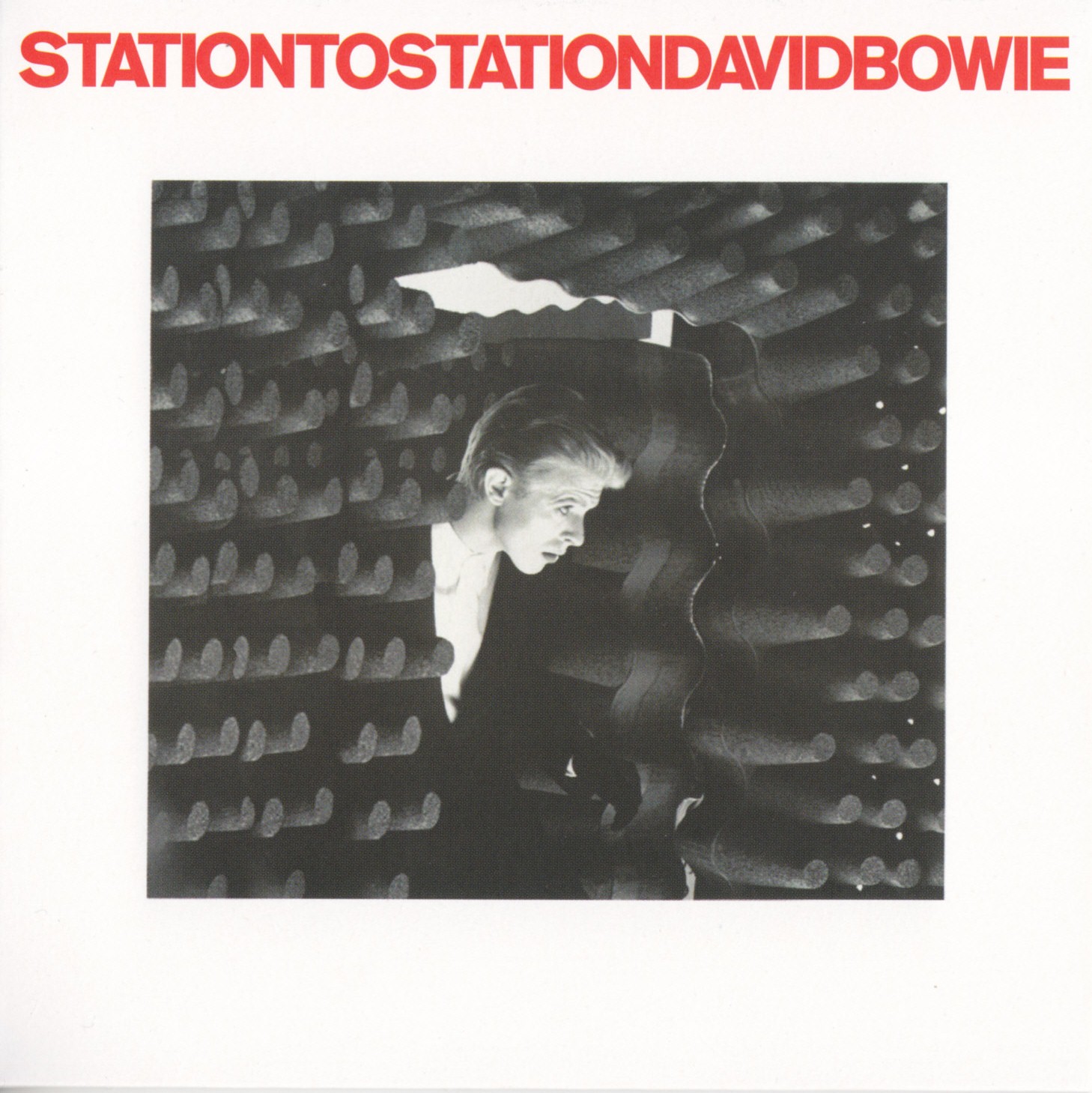
David Bowie - Station To Station (Deluxe Edition) (3 Discs) (RS500 - #323)


I was up fairly late last night - I've recently been having a little trouble falling asleep before midnight. At around two a.m., I received a Skype call from my old buddy Rob, who'd just returned to Christchurch after spending the past few days mountain biking near Arthur's Pass. I've mentioned Rob on occasion in this blog; he's been one of my best friends for over twenty years now, and in that time we've had some hilarious adventures and fun experiences together in both New Zealand and America.

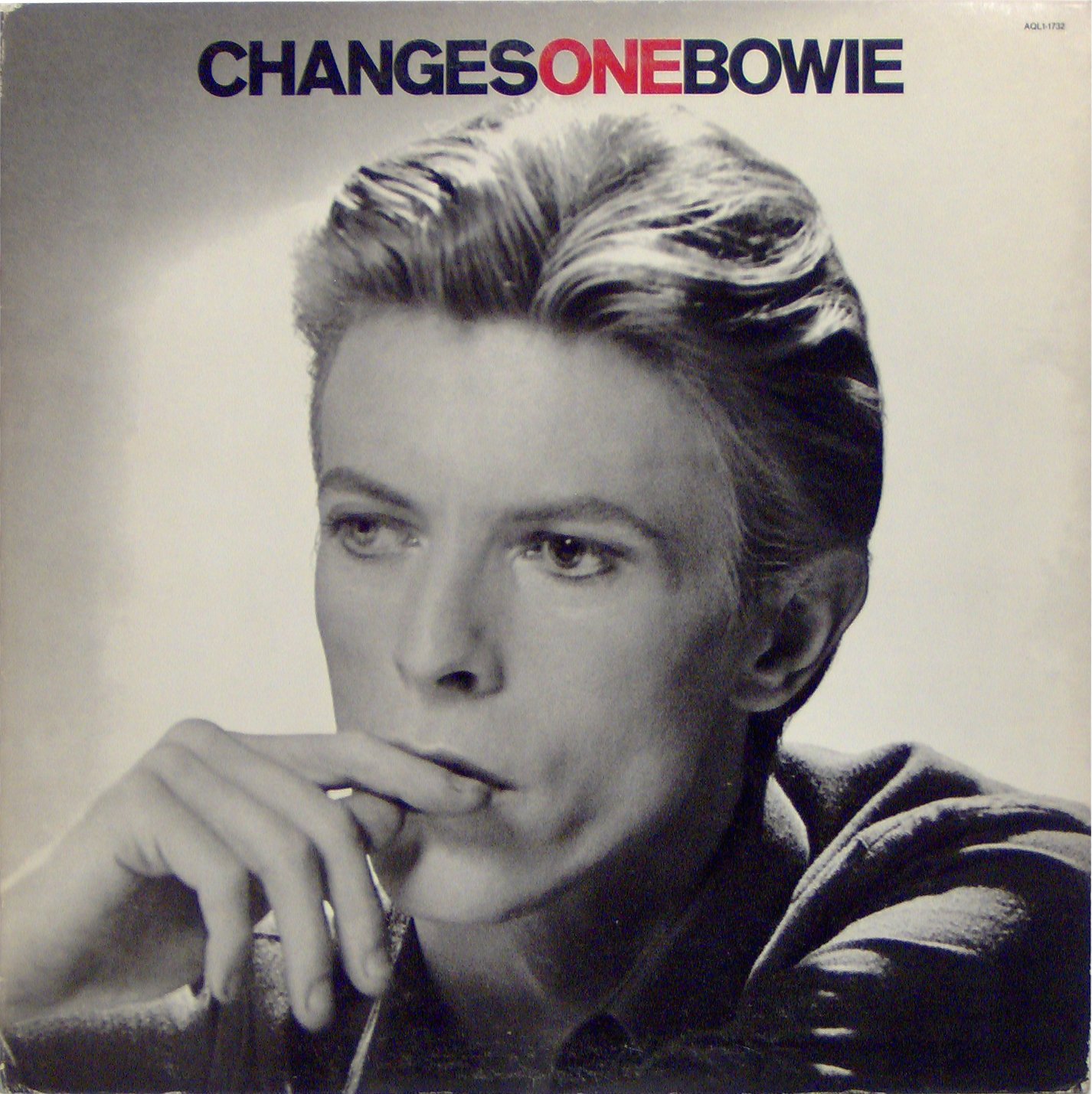
In addition to being my friend, Rob is one of the most rabid, knowledgeable David Bowie fans I know. He was into Bowie before he reached his teens; the first album he ever owned was Changesonebowie, given to him by his mother on his birthday in 1976. By his own admission, this introduction to Bowie's music changed Rob's life. He quickly morphed into a dedicated follower, and fell in with a small but selective group of hard-core Bowie fans in Christchurch, cutting his hair and dressing in flares in emulation of his musical idol (much to the amusement of his infinitely patient and devoted mother . . . and the chagrin of his staunch, straight-laced career Air Force father, who didn't have the faintest notion as to why his son was acting so "crazy"). Rob was amongst the crowd who attended the legendary concert at QE2 Stadium on November 29th, 1978 on the Australasian leg of his Isolar II Tour that year, Bowie's sole South Island show for the entirety of his career.

In the years that followed, Rob's fandom never waned. He managed to assemble quite a Bowie collection, probably the best in New Zealand - rare albums and bootlegs, books, photographs and lithographs. His travels around the world have taken him to places renowned in Bowie-lore; Rob has posed in front of the gate to Chùteau d'Hérouville in France, where most
of Low was recorded, and made a special trip to Berlin to tour the Hansa Tonstudio and stand in the exact spot where "Heroes" was recorded. For over forty years, he remained a devoted Bowie fan, and over time he has greeted each new release, no matter how poorly reviewed, with genuine adoration and enthusiasm. Just as The Fall are my all-time favorite artists, David Bowie has long been Rob's Number One.

Anyway, last night, Rob began to tell me about his weekend and a minor sports injury he suffered while riding around, but our Skype chat was interrupted when he received a call via his regular phone, so he asked me to hold for a couple of minutes. I whiled away that time sifting through my email messages and browsing the news on the Web, nothing major or out-of-the-ordinary, just another night. So I was jolted when I suddenly came across the headline "David Bowie Dead at 69".

I instantly thought "This has got to be bullshit." After all, David's latest album, Blackstar, had just been released two days prior on his birthday, to rave reviews. Plus, there hadn't been the slightest hint or warning in the news that he had been ill. I figured that it was a album release publicity-driven hoax, and began to dismiss it from my mind . . . but I started checking into the story anyway, just to be sure.

It didn't take long to find that the news was not specious, but accurate - David Bowie had died a couple of hours earlier. "Jolted" is an inadequate word to describe my initial thoughts and feelings once I received confirmation of this story . . . with my second thought being, "How am I going to break this to Rob?" I knew it was potentially devastating, heartbreaking news, and I wasn't looking forward to telling him . . . but he had to know, as soon as possible - and it's always good to find these sort of things out from your friends. I sent him a quick text message telling him to get off the phone as quickly as he could, as there was some important news I had to tell him . . .

When Skype resumed, I told Rob the news, in a way that let him know I wasn't screwing around or pulling his leg. I've known this guy a long time . . . and I have to say I've never seen him more stunned. We spent the rest of the call reminiscing, commiserating, and reflecting on the life and work of Bowie, and what he's meant to us over the years.

To be honest, I didn't know that much about David Bowie until I was well into my teens - my first full-on encounter with all things Bowie occurred in late 1979, when I saw him perform on NBC's Saturday Night Live. As I alluded to an earlier post, in much of America of the 1970s, Bowie was considered a "weirdo", a cross-dressing English fop with a flair for flamboyant, garish makeup and outlandish rock 'n' roll alter egos. Of course, by the late '70s, he'd long left a lot of that stuff behind - Bowie was constantly modifying and experimenting with his sound and his look. But the majority of Americans didn't keep up with his ever-changing moods, methods and influences - in this country, first impressions meant a lot. And the impression that the majority of Middle America still had of Bowie - the otherworldly Major Tom and Ziggy of the late '60s/early 70s - was the impression that still lingered as the Eighties approached.

But long before his SNL gig, Bowie had begun taking steps to make himself more accessible and acceptable to the American public at large. The original concept behind his 1973 album Pin Ups was to present an album of cover songs by '60s British rock and pop artists (The Pretty Things, The Merseys, Them) to an American audience that might not have been aware of them. This was to have been followed by another album covering American artists from the same period (the second
part of this plan was eventually scrapped). After 1974's Diamond Dogs, Bowie permanently moved away from glam and on his next album, 1975's Young Americans, he began showcasing his latest musical influences, American R&B and Philly soul. His plan seemed to be paying off here; Young Americans went Gold in the States and produced his first U.S. #1 hit "Fame".

And of course, a big move was his appearance on Bing Crosby's Merrie Olde Christmas holiday special on 30 November, 1977. As I mentioned in an earlier post:
"People forget nowadays, but back in the mid-70s Bowie was considered to be an out-and-out freak by most of Middle America . . . so it was somewhat of a shock and an enlightenment for a lot of people seeing the friendly, polite, 'normal' family man Bowie warbling Christmas carols with Mr. Wholesomeness himself."
So the stage was pretty well set for him to continue his assault on the U.S. market through his Saturday Night Live appearance, his first national television performance. David made the most of this opportunity.

Bowie's appearance on SNL was in many ways a concise summation of his career up to that point. He and his band (supplemented by up-and-coming (but then generally unknown) New York performance artists Joey Arias and Klaus Nomi) opened with "The Man Who Sold The World", from his 1970 album of the
same name (The Man Who Sold The World is regarded by many music critics as "where the [Bowie] story really starts", with the artist abandoning much of the folky, acoustic music of his first two '60s albums and moving into the hard rock/glam rock genres). Later in the show, he blazes through "TVC 15", off of 1976's Station To Station (by this album, he left behind his early '70s glam rock personae of Ziggy Stardust/Aladdin Sane and the "soul boy" funk leanings of his previous album, 1975's Young Americans, and began forging a
hybrid sound combining his earlier influences with that of German electronic music). And the song Bowie closed the show with, "Boys Keep Swinging", from Lodger released earlier that year (Lodger was the last of Bowie's celebrated "Berlin Trilogy" (along with Low and "Heroes") of abstract, minimalist albums with collaborator Brian Eno, but was considered the most accessible and commercially successful).

Here's a clip of the first song from the show, "The Man Who Sold The World":


I thought the costume that Bowie wore for this song was amazing; basically a rigid Bauhaus/Dada-inspired shell tuxedo that held him immobile - Arias and Nomi had to carry him out to
his place on stage. Apparently, I wasn't the only one affected by his getup; Nomi was reportedly so impressed with the costuming that he adopted a variation on the huge plastic tuxedo Bowie wore as his own signature look, wearing one on the cover of his first album, 1981's Klaus Nomi, and performing in it until his death from AIDS in 1983.

What followed later in the show was "TVC 15", with another stunning and androgynous costume change that Bowie pulls off flawlessly, a 1940s-style Lennon Sisters wide-shouldered dress suit and sheath skirt:


And who could forget the pink poodle with the monitor in its mouth, and the herky-jerky backup singing?

The strangest performance occurred at the very end of the program, just before the host/cast farewells and closing credits. For "Boys Keep Swinging", Bowie's head is shown atop what appears to be a man-sized wooden puppet body, which during the performance cavorts and bounces around the stage in a very weird, off-putting yet mesmerizing way:


Bowie was pissed that the NBC censor bleeped out the "other boys check you out" line during the song, but he got his revenge and the last laugh - take a close look at what happens to the puppet's pants at the end of the tune! All in all, it was truly a strange, surreal "WTF?" moment in television history. I didn't know what to make of it; you can tell by the studio audience reaction that they didn't know what to make of it all either.

In any event, as strange as it was to see unusual performances like this on American national TV, I was entranced and impressed by Bowie's art, and finally realized what I'd been missing all those years. December 15th, 1979 at 1:00 AM was the moment I finally became a David Bowie fan - a decision I've never regretted.

I spoke with Rob again for a bit this afternoon. "Mate," he said, "I don't normally like to admit this, but I'm feeling a little . . . weird and vulnerable since I heard the news last night." I know exactly what he means. The passing of an entertainment icon is normally a cause for acknowledgement, appreciation and tribute from fans and contemporaries. But in the vast majority of these instances, this "moment of reflection" is just that - a short-lived moment, and after which, we all go on with our lives. Perhaps all of this is too recent to make a truly subjective determination, but David Bowie's death feels . . . different, as though something has definitely changed in the world.

I've had conversations with other friends today regarding his passing, and they all feel the same way. The recent deaths of Lemmy and Natalie Cole were sad, but they haven't been lingered over, analyzed and eulogized in the press and on social media as Bowie's has been. I think that may be due to the nature of the man and what he brought to the world for the past fifty years. To quote Rob: "Bowie didn't write music; he made accessible art." In those words lies the essence of what made Bowie so great, why he will be missed, and why his absence will leave such a void.

During our conversation late last night, Rob and I asked one another not what our favorite Bowie album is, but even more narrowly, what our favorite Bowie SONG is. Here's mine - the 1973 alternate demo version of "Candidate", included as a bonus cut on Diamond Dogs:


Rob's all-time fave is "Always Crashing The Same Car", from Low:


Enough of all of this - there have been more than enough tributes today, and there are certain to be tons more coming in the next few days. I don't expect my reflections and memories of David Bowie will have that much import or impact in the grand scheme of things. I just felt the need to pay a small tribute to a visionary artist who is now no longer with us. We may not see the likes of David Bowie again . . . but isn't it great that, in the millions and billions of years that this planet has existed, we all were lucky enough to share this planet at the same time with him?

In honor of the life and memory of David Bowie, for my buddy Rob, for myself, and for you all, I proudly offer the deluxe edition of the 1976 album Station To Station. This is the September 10th, 2010 reissue, which includes not only the original album, but the entire show at Nassau Coliseum in Uniondale, New York on March 23rd, 1976 (on two bonus discs).

In addition, also offered here are the three performance videos from Saturday Night Live shown above, in .mp4 format. These are notoriously hard to find on the Web; NBC and Lorne Michaels are vicious about keeping SNL content off of free sites like Vimeo and YouTube. The ones included here are burned off of my SNL DVDs I purchased upon their release many years ago; I own the first five seasons of the show, which are really the only seasons anyone needs to care about.

Anyway, enjoy, and as always, let me know what you think.

Farewell, Thin White Duke.

Please use the email link below to contact me, and I will reply with the download link(s) ASAP:
Station To Station (Deluxe Edition): Send Email

Saturday Night Live performances, December 15th, 1979: Send Email


[Hmm . . . it appears that the performance videos I embedded above aren't being displayed in this post anymore; I guess Blogger.com has an issue with having them be seen here. No matter - the download links are still available, and I'll be happy to send them along to you.]